
"red letter"
300 article(s) found

A brief introduction to the cultivation of fine coffee beans in Ethiopia, geographical location, climate and altitude
The natural characteristics of Ethiopian coffee beans include large

An introduction to the coffee industry in Ethiopia
Ethiopia is one of the major producers of Arabica coffee in Africa, producing the best Arabian coffee in the world. It is said that coffee was first discovered by shepherds in Essekafa, and the name of coffee evolved from Kafa, so Essex is still the hometown of coffee. The geographical environment of coffee production and processing is very suitable for coffee growth. Coffee is mainly cultivated.

Introduction to 90 / 90 + Coffee beans | [Ruby treatment] [sk treatment] [Maker Series
Professional coffee knowledge exchange more coffee bean information please follow the coffee workshop (Wechat official account cafe_style) 90 / 90 + coffee bean introduction | what is [Ruby treatment] [sk treatment] [Maker Series treatment]? How to grade 90 + beans? In the process of handling raw beans, 90+ has also added many new concepts to make the performance of coffee beans more acceptable and powerful.

Production and processing of coffee beans in Ethiopia
Ethiopia (Ethiopia) is one of the major producers of Arab coffee beans in Africa, producing the best Arab mocha beans in the world. It is said that coffee beans were first discovered by shepherds in the Kafa region of Ethiopia, and the name of coffee evolved from Kafa, so Ethiopia is still the hometown of coffee. Production and processing of coffee beans in Ethiopia

What kind of top coffee beans are there? Taste characteristics and flavor evaluation of Ethiopian champion coffee beans.
Ethiopia Amedilaro producing country: Ethiopia producing area: Yega Xuefei processing Plant: Amedilaro altitude: 2200 m Variety: original species treatment: anaerobic slow sun flavor is embodied in citrus, berry, cream, lemon, rose tea, white grapes, fermented feeling. It is recommended that the gram weight of hand-brewed coffee recommended by SCA is 15g coffee powder 90 degrees to 91 degrees hot water 22.

Acidity and texture of Ethiopian Fine Coffee Bean Flavor and Taste Manor
35% of the coffee is courtyard coffee. In this kind of coffee garden, the planting is three-dimensional. Coffee is located in the lower layer and gets a suitable growth environment in the shade of other crops. Fertilizers are mainly fallen leaves, withered grass and animal manure. 5% of the coffee belongs to plantation coffee. This is a modern way of growing coffee, which is also grown in forests, but uses new varieties and works with others.

An introduction to Ethiopian coffee beans, mocha coffee beans
Ethiopia (Ethiopia) is one of the major producers of Arab coffee beans in Africa, producing the best Arab mocha beans in the world. It is said that coffee beans were first discovered by shepherds in the Kafa region of Ethiopia, and the name of coffee evolved from Kafa, so Ethiopia is still the hometown of coffee. Production and processing of coffee beans Ethiopia
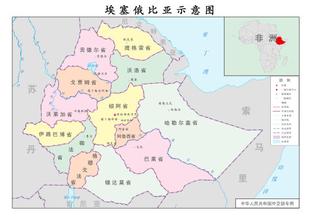
Ethiopian Coffee Coffee producing areas, Coffee Brands, Coffee Brands introduction
Ethiopia is one of the major producers of Arabica coffee in Africa, producing the best Arabian coffee in the world. It is said that coffee was first discovered by shepherds in Essekafa, and the name of coffee evolved from Kafa, so Essex is still the hometown of coffee. The geographical environment of coffee production and processing is very suitable for coffee growth. Coffee is mainly cultivated.

A brief introduction to the description of Coffee Flavor and aroma characteristics of Coffee Manor in Ethiopia (Moka)
Due to different planting methods, coffee can be divided into three types: forest-semi-forest coffee (Forest or semi-forest coffee), courtyard coffee (Garden coffee) and plantation coffee (Plantation coffee). 60% of the coffee belongs to forest-semi-forest coffee. In such a wild coffee forest, pesticides are not used at all, but biological methods are used to control pests. 35% of the coffee

Ninety + candle candle | Ninety + selection of boutique coffee brand, ninety + company detailed introduction
ETHIOPIA,SIDAMO, Drima Zede Solar Sidamo 90 + Candle Kingdom Home: Ethiopia Ethiopia production area: 90+SNNP, Sidama (Sidamo) Haiba: 1750-2000 m treatment method: sun treatment Natural Process species: Ethiopia native species Ethiopian Heirloom shallow baking Light Roast flavor: flower

The characteristics of Ethiopian coffee, the introduction of Ethiopian coffee
Following Caf é (Wechat official account vdailycom) found that Beautiful Cafe opened its own shop Ethiopia (Ethiopia) is one of the major producers of African Arab coffee beans and produces the best Arab mocha beans in the world. It is said that coffee beans were first discovered by shepherds in the Kafa region of Ethiopia, and the name of coffee evolved from Kafa.
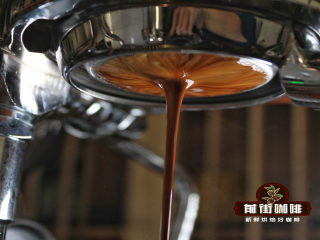
What is the full name of soe? what is the difference between single SOE coffee beans and Italian mixed beans?
Professional coffee knowledge exchange more coffee bean information please follow the coffee workshop (Wechat official account cafe_style) first explain that SOE and mixed beans refer to coffee beans made of different coffee beans, which generally refer to coffee beans from different places, because of the characteristics of each coffee bean.
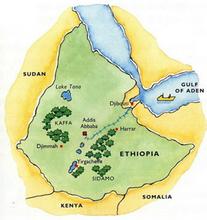
Introduction to Boutique Coffee Estate; Details of Ethiopian coffee beans (mocha)
Ethiopia (Ethiopia) is one of the major producers of Arabica coffee beans in Africa and produces the best Arabica mocha beans in the world. It is said that coffee beans were first discovered by shepherds in the Kafa region of Ethiopia, and the name of coffee evolved from Kafa, so Ethiopia is still the hometown of coffee. Production and processing of coffee beans Ethiopia

Ethiopian boutique coffee beans planting situation, geographical location, climate, altitude
Ethiopian people are addicted to coffee. In 2003, domestic consumption accounted for 42.3% of the total output, with a per capita consumption of 3 kg. But more than half of the coffee produced each year is used for export to earn foreign exchange. The main exporters include the United States, Italy, the United Kingdom, Sweden, Norway, Greece, France, Belgium, Germany and Australia. Before 1974, the right to produce, process and trade coffee
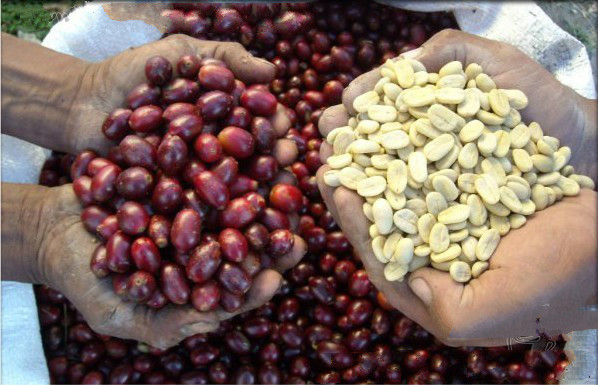
Ethiopian coffee Starbucks Ethiopian coffee wholesale price of Ethiopian coffee brands
Ethiopia is one of the major producers of Arabica coffee in Africa, producing the best Arabian coffee in the world. It is said that coffee was first discovered by shepherds in Essekafa, and the name of coffee evolved from Kafa, so Essex is still the hometown of coffee. The geographical environment of coffee production and processing is very suitable for coffee growth. Coffee is mainly cultivated.
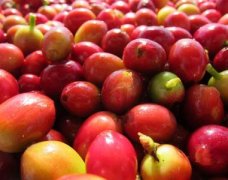
Ethiopia producing area yejia snow coffee fine coffee bean varieties planting market price profile
The world-famous Ethiopian coffee mainly includes: 1. Limu coffee grows between 1400 meters and 2000 meters above sea level. washed coffee. Excellent quality, with intense nutty aromas, moderate acidity and wine intensity. Annual production of 29,000 tons. Gima coffee grows between 1400 and 1800 meters above sea level. Sunburn coffee. Slightly sour, nutty and long finish.

Introduction to the characteristics of Ethiopian Coffee Flavor Manor with acidity and texture
5% of the coffee belongs to plantation coffee. This is a modern way of growing. Coffee is also grown in a forest, but new varieties are used and planted in rows with other shade trees. Due to different processing methods, coffee can be divided into washed coffee (Washed coffee) and sun-cured coffee (Sun-dried coffee). Washed coffee accounts for 35% of exports. Of good quality
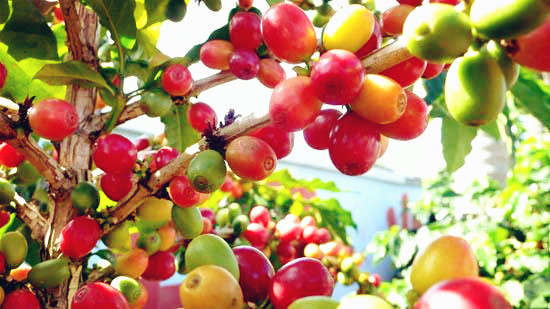
Ethiopian coffee is the origin of Ethiopian coffee and the culture of coffee ritual.
Ethiopia is one of the major producers of Arabica coffee in Africa, producing the best Arabian coffee in the world. It is said that coffee was first discovered by shepherds in Essekafa, and the name of coffee evolved from Kafa, so Essex is still the hometown of coffee. The geographical environment of coffee production and processing is very suitable for coffee growth. Coffee is mainly cultivated.
A brief introduction to 90 + ninety plus
Recently, when I talked to a lot of people about 90 + beans, I found that many people still don't know the nomenclature, classification and grade of 90 +. In retrospect, when I first came into contact with 90 +, it took me some time to get a general idea of what the name of 90 + was all about. I have to say that from concept to brand management, this is a very special company, but at the same time for the average consumer

What is the difference between espresso and coffee? what does espresso mean?
Professional coffee knowledge exchange more coffee bean information Please follow the coffee workshop (Wechat official account cafe_style) Coffee beans, coffee machines and cafes have become the three primary colors in coffee culture. Therefore, as a link in the whole coffee culture chain, Italy's most outstanding contribution is tantamount to the invention and improvement of the espresso machine. The more recognized steam pressure cooking